
Accomodati nel tuo spazio
Ognuno legge a modo suo, chi sul divano di casa, chi sulla panchina preferita di un giardino amico con la compagnia discreta di foglie mosse dal vento e cinguettii, chi dove capita, anche appeso alla maniglia della metro perché ha il libro sempre a portata di mano, e tra questi tre punti ce ne sono tanti quanti sono i lettori. Ma ogni volta, non appena si aprono le magiche pagine, lo spazio mentale definisce dove siamo: in un posto comodo, finalmente, a nostro agio, e cosa ora vediamo, quello che abbiamo scelto di vedere.
La posizione ideale di lettura è rilassata eppure attenta, concentrata ma aperta, e somiglia molto per me al rilassamento fisico dello stare in poltrona: in un attimo si ha la panoramica dello stato del corpo e si sentono tutti i suoi segnali. Perché stare a leggere in poltrona non ha niente a che vedere con il poltrire. Anzi, a seconda del libro da cui ci lasciamo attraversare possono succedere cose più o meno radicali nella nostra vita. Il bello di stare in poltrona è che si ha tutta la tranquillità per osservare, non deve necessariamente essere una poltrona fisica. La poltrona prende la forma di chi ci sta, c’è un mutuo adattamento tra noi e l’ambiente, i corpi dialogano senza attrito.
Ci sono poltrone che ti accolgono con abbracci composti, come le sedie fascianti dei piloti, o alcuni modelli da scrivania. Curiosamente lì i due mondi si incontrano e il design conferma che è sempre l’idea della ‘postazione’ a essere il perno sia del viaggio che della scrittura e lettura. Del resto un viaggiatore legge le immagini che gli scorrono davanti, un lettore lo fa dallo schermo delle pagine. Siamo comunque nella nostra postazione, prima mentale e poi fisica, dove tutta l’attenzione si può rivolgere verso ciò che si è scelto, un argomento, una conversazione, un quadro, un libro, un viaggio.
Il libro, il quadro, le parole, diventano un viaggio che mette in moto la poltrona su strade sconosciute, impensate, travagliate o divertenti, interessanti, istruttive, strade di cui nessuno vede la fine perché la fine del viaggio non si vede, è un viaggio senza fine, in cui la mente e le emozioni siedono accanto, finalmente riunite dopo tanta distanza.
La lettura, la conoscenza, la vita, sono senza fine, attributi divini dell’esperienza in questo mondo, e anche quello che si può scoprire è senza fine.
Cosa si scopre in questo sito? A mano a mano che li scrivo i miei libri, che parlano anche loro di gente che viaggia, che fa scoperte su di sé, sugli altri, sul mondo dove sta.
Ma anche quei libri che mi hanno fatto scoprire qualcosa di bello o anche straordinario.
Poi gli argomenti dei post, che non sono prevedibili, ma spesso legati all’energia e alle energie, ai campi magnetici e cose così.
Poi le cartoline della mia alter-ego Kengi, le Kengioline, illustrate ma anche scritte dai luoghi dei fatti, e altre cose …
Roberta Asteri
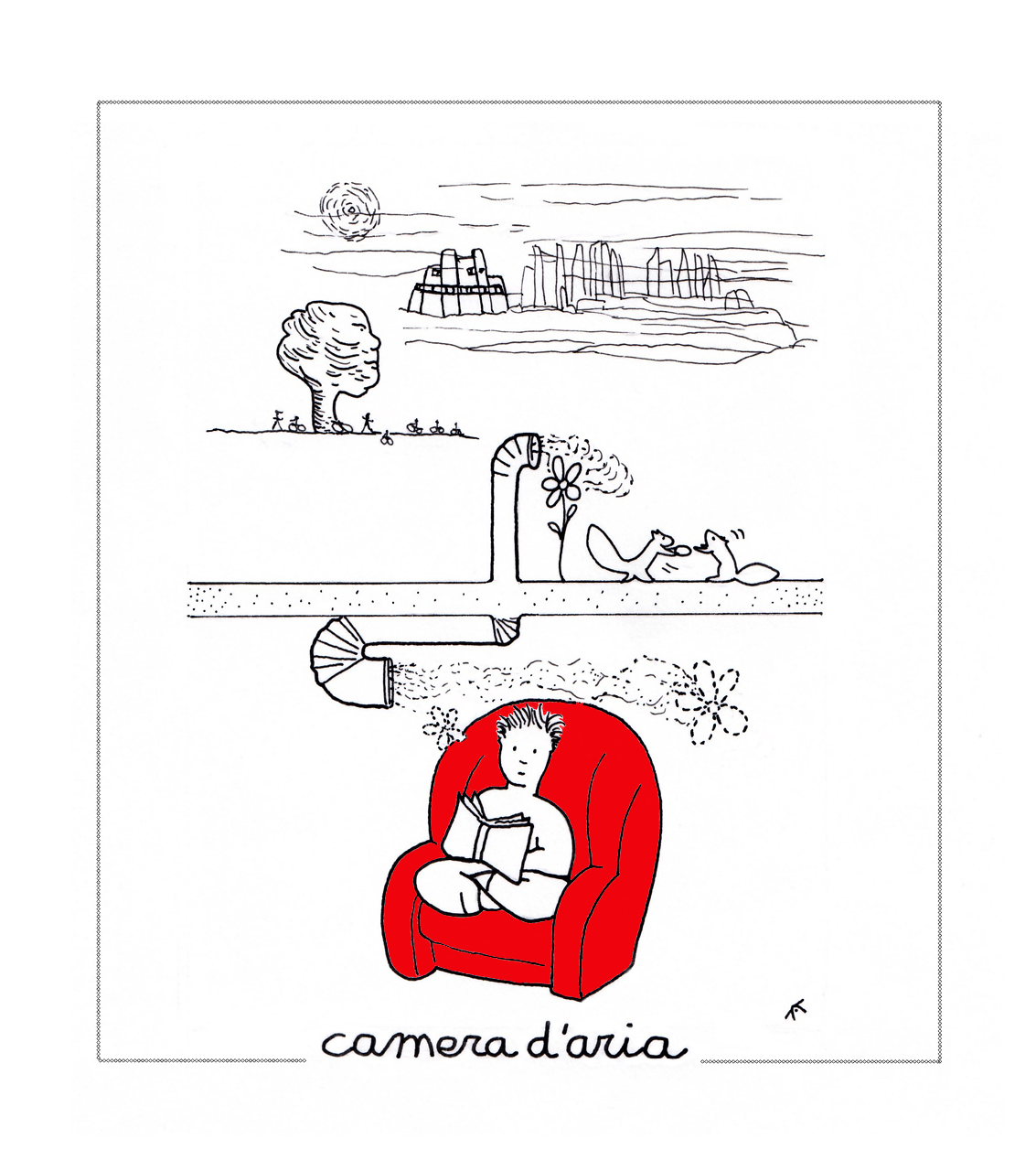
Settle into your space
Everyone reads in their own way, some on the couch at home, some on a favorite bench in a friend's garden, with the discreet company of leaves blowing in the wind and birdsong, some wherever they happen to be, even hanging from a subway handle, because the book is always within reach. And between these three points there are as many as there are readers. But each time, as soon as the magical pages open, the mental space defines where we are: in a comfortable place, finally, at ease, and what we now see, what we have chosen to see.
The ideal reading position is relaxed yet attentive, focused yet open, and for me it closely resembles the physical relaxation of sitting in an armchair: in an instant, you have an overview of your body's state and you can feel all its signals. Because reading in an armchair has nothing to do with lazing around. In fact, depending on the book we let pass through us, more or less radical things can happen in our lives. The beauty of sitting in an armchair is that you have all the peace and quiet to observe; it doesn't necessarily have to be a physical armchair. The chair takes the shape of whoever sits in it; there's a mutual adaptation between us and the environment, our bodies communicate without friction.
There are armchairs that welcome you with composed embraces, like the snug seats of pilots, or some desk models. Curiously, there, the two worlds meet, and the design confirms that the idea of the "station" is always the fulcrum of both travel and writing and reading. After all, a traveler reads the images that scroll before him; a reader does so from the screen of the pages. We are, in any case, in our station, first mental and then physical, where all our attention can be directed toward what we have chosen, a topic, a conversation, a painting, a book, a journey.
And then all our attention can be directed toward whatever we've chosen, a topic, a conversation, a painting, a book.
The book, the painting, the words, become a journey that sets the chair in motion on unknown, unexpected, troubled or entertaining, interesting, instructive paths—paths whose end no one sees because the end of the journey is inconceivable. It's a never-ending journey, where mind and emotions sit side by side, finally reunited after such a long distance. Reading, knowledge, life, are endless, divine attributes of experience in this world, and what can be discovered is also endless.
What can you discover on this site? As I write my books, which also speak of people who travel, make discoveries about themselves, about others, about the world they inhabit. But also those books that have made me discover something beautiful or even extraordinary. Then the topics of the posts, which aren't predictable, but are often related to energy and other energies, magnetic fields, and so on. Then the postcards of my alter-ego Kengi, the Kengioline, illustrated but also written from the places where the events took place, and other things...
Roberta Asteri
Pages without an English version have a translation inside.